


Freecash: Earn Money
Freecash
I spent time with Freecash: Earn Money as a way to explore the earning-app category, and my first impression was that it is better understood as a reward platform than as a conventional banking or budgeting tool. The basic idea is simple: you browse available opportunities, complete eligible activities, and work toward rewards. That makes it appealing to people who already spend time playing mobile games or trying online offers, but it also means the app asks you to be selective rather than treating every task as equally worthwhile.
The app is developed by Freecash and is available free of charge. It belongs to the Finance category, although the day-to-day experience feels closer to a mixture of offer discovery, casual gaming incentives, and reward tracking. Its store summary focuses on earning by playing games, but the practical question is not whether an activity exists; it is whether the time, attention, and conditions attached to that activity make sense for you.
How Freecash: Earn Money works in everyday use
When I approach an app like this, I do not treat the displayed reward as automatic income. I look at the requirement first, then compare it with the effort involved. That habit matters here because a task can sound attractive at a glance while becoming much less appealing once you consider the time needed, the progress conditions, or the possibility that you may lose interest before finishing it.
The most sensible workflow is to open the available offers, read the instructions carefully, and choose only activities that fit something you would genuinely enjoy doing. If you already play mobile games, the platform can make that habit feel more purposeful. If you dislike trying unfamiliar games or repeating early tutorial stages, the same system may feel like work disguised as entertainment.
I also recommend keeping your expectations practical. This is not a replacement for employment, a dependable salary, or a traditional savings account. It is a way to pursue small rewards through qualifying activities. That distinction is the foundation of a fair review: the app is free to access, but your time is still the real cost.
Latest News

Uber Eats Under Pressure: What Happens When Delivery Goes Wrong

How QR & Barcode Scanner Adapts to Android and iOS Innovations

Why Waze Navigation & Live Traffic Is Your Essential Travel Companion

CapCut Mastery: Unleash Hidden Features for Pro-Level Editing

How OS Updates Enhance Roblox Adventures

Teacher Simulator: Exam Time Turns Quick Classroom Judgments into a Repetitive Loop
The app has built a substantial audience, with an average rating of 4.5 from around 486 thousand ratings and more than 10 million installs. Those figures suggest that the concept has broad appeal, but they do not remove the need to inspect individual offers. A large user base can show that many people find the format useful; it cannot guarantee that every opportunity will suit your location, device, patience, or preferred type of activity.
The cost is free access, not zero effort
There is no purchase price to factor into the initial decision. Freecash is listed as free, so you can try the service without paying an upfront fee. That is an important advantage over apps that require a subscription before showing their main features. It also makes experimentation relatively low-risk financially, provided you are comfortable spending time on activities that may not be equally rewarding.
For me, the right way to measure value is to separate three things: money leaving your pocket, time spent inside the app, and the usefulness of the reward after completion. The first part is straightforward because access is free. The second and third require judgment. A free app can still be poor value if it sends you through lengthy tasks you would never choose on their own.
Gallery
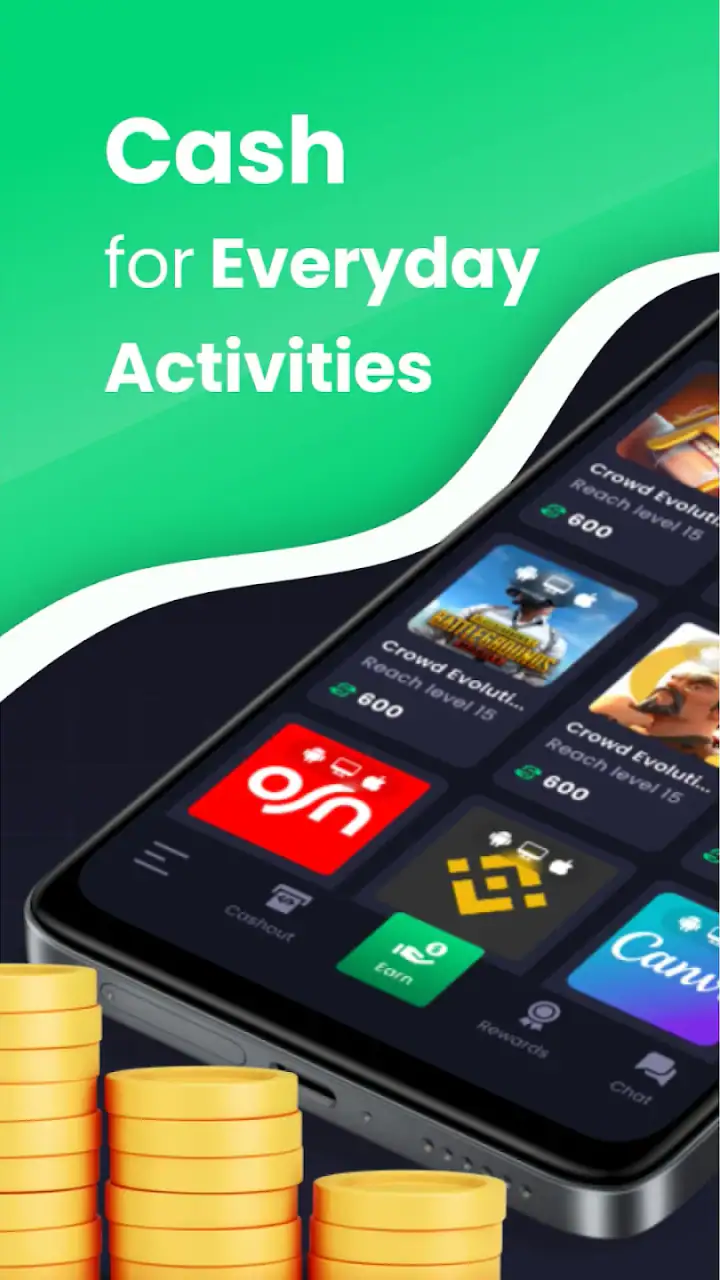
I would avoid downloading it with the expectation that every minute converts neatly into cash. Reward platforms depend on available offers and their conditions, so the experience is more variable than using a fixed-rate service. The strongest approach is to treat the app as an optional activity for spare time, not as a financial plan.
The age classification is Mature 17+, which is another practical point for families. It is not an app I would casually recommend to younger teenagers simply because the central theme involves rewards. Parents should consider the age label before allowing access, and adults should still read each offer carefully rather than assuming that a finance-category app automatically provides regulated financial guidance.
Where the value comes from
The main value is choice. Instead of committing to one repetitive activity, you can look through opportunities and decide which ones match your interests. Someone who already wants to test a new game may prefer earning toward a reward while doing so. That feels more natural than opening a separate survey app when the real goal is entertainment.
Another useful quality is the possibility of turning short, otherwise idle sessions into progress. I can imagine checking the app during a quiet evening, choosing one manageable activity, and stopping when the task no longer feels worthwhile. That flexible rhythm is more attractive than systems that demand a fixed daily routine.
There is also a psychological benefit to having a visible objective. A game or activity that would normally be disposable may feel more engaging when progress is tied to a reward. However, I see this as a motivation layer, not a guarantee of better entertainment. If the underlying game is boring, the reward may not compensate for the experience.
A less obvious strength is that the platform encourages comparison between opportunities. You do not have to accept the first offer you see. Taking a moment to compare the stated goal, the expected commitment, and your own interest can prevent a common mistake: choosing a large-looking reward that demands far more attention than a smaller, simpler option.
A practical routine that avoids wasted time
My preferred routine would begin with a quick scan rather than an immediate commitment. I would shortlist a few activities, remove anything that sounds tedious, and select one with a clear endpoint. This prevents the app from turning into an endless browsing session where more time is spent choosing than completing.
Before starting, I would read the conditions twice and note the exact milestone required. That small step is especially important for game-related tasks. The difference between installing a game, reaching a particular stage, and completing a sequence of actions can be substantial. If you start without understanding the target, you may later discover that casual play was never enough.
I would also keep a simple personal record of what I started and when. This is not because the app replaces its own tracking, but because a note helps you remember which activity you chose and whether it remains worth continuing. If an offer stops being enjoyable, the record makes it easier to abandon it instead of continuing just because you have already invested time.
My strongest tip is to test the smallest reasonable commitment first. Do not build your whole evening around an unfamiliar activity before deciding whether you like it. A short trial tells you whether the game runs comfortably, whether the instructions make sense, and whether the task fits your patience. That approach protects the value of your time better than chasing the biggest displayed possibility.
The tradeoffs behind the reward model
The biggest limitation is that rewards are not the same as guaranteed earnings. You are completing activities under specific conditions, and the appeal depends on whether those conditions remain reasonable. If you want predictable income, this is the wrong category of tool. A part-time job, freelance assignment, or established work platform is a better match for dependable compensation.
There is also a risk of confusing entertainment with productivity. Games can be enjoyable, but adding a reward target may encourage you to continue after the fun has disappeared. I would set a personal stopping point before beginning. Once the activity feels like a chore, the remaining value should be judged honestly rather than emotionally.
Another tradeoff is attention. Every offer requires reading, comparison, and follow-through. That effort is easy to overlook because the app itself is free. If you only have a few minutes, browsing may not be worthwhile unless you already know which type of activity you want. In that situation, a simple casual game with no reward conditions may provide better immediate value.
The Mature 17+ classification also means this is not a universal family recommendation. Adults who are comfortable evaluating reward opportunities may find the format useful, while younger users should not be treated as automatic candidates. The finance label should not be mistaken for personal financial advice, and I would not use the app to make decisions about bills, debt, investing, or emergency savings.
How it compares with ordinary alternatives
Compared with a traditional budgeting app, Freecash serves a completely different purpose. A budgeting tool helps you understand spending, plan categories, and manage money you already have. This app is centered on pursuing rewards through activities. If your goal is financial organization, a budgeting app is the better choice; if your goal is to explore reward-based tasks in spare time, Freecash is more relevant.
Compared with a normal mobile game, the difference is the external objective. A regular game is designed around play, progression, and enjoyment without asking you to meet reward conditions. Freecash can add an incentive to trying games, but that incentive may make the experience less relaxing. I would choose the ordinary game when I want frictionless entertainment and the reward app when I am curious about combining play with a possible benefit.
Compared with survey-focused reward services, Freecash is more appealing to someone who prefers interactive activities over answering questions. That does not mean it will be better for every user. People who type quickly and tolerate repetitive questionnaires may prefer a survey service, while gamers may feel more comfortable with offer-based tasks. The best alternative depends on what kind of effort you can sustain without resentment.
Compared with paid apps or subscriptions, the free entry point is clearly favorable. You are not buying access, so there is no need to recover a subscription fee before deciding whether the experience suits you. The tradeoff is that your investment is measured in attention and completion time rather than money. I would choose this model over a paid reward app when I am still testing the category, but I would not assume free access automatically means superior value.
Who is most likely to get real value
I think the best audience is an adult who already enjoys mobile games, has spare time, and can walk away from an offer that stops making sense. That person is likely to view the app as an optional layer on top of existing entertainment rather than as a financial obligation. The free price makes trying it straightforward, while the broad availability of the service gives users a reasonable chance to find an activity that fits their interests.
It can also suit someone who likes comparing opportunities and tracking small goals. The app rewards patience and selectivity more than impulsive clicking. If you enjoy reading conditions, planning a route through a task, and stopping when the exchange no longer feels fair, you are more likely to have a positive experience.
I would skip it if you need guaranteed money by a specific date. I would also skip it if you dislike installing unfamiliar games, have very limited time, or tend to continue activities simply because you have already started them. In those cases, the app may create frustration rather than value. A direct paid task or a conventional budgeting tool would better match those needs.
A realistic scenario would be an adult who has a free weekend evening and wants to try a new game anyway. They open Freecash, compare the available activity requirements, choose one that sounds enjoyable, and decide in advance how long they are willing to play. If the game remains fun and progress is clear, the reward adds interest. If the task becomes repetitive, they stop without treating the unfinished offer as a personal failure. That is the healthiest way to use it.
Device support and the current release
The app supports Android devices running version 7.0 or later, which covers a wide range of phones and tablets. The current version is 1.260.0. I would still check that your device is compatible and has enough room for any activities you choose, especially when those activities involve additional game downloads. The app itself may be accessible while a selected offer is less comfortable on an older device.
Freecash was released on April 12, 2022, and its continued presence alongside a large installed audience indicates that it is not a brand-new experiment. Even so, longevity should not be confused with a promise that every offer will work identically for every person. Device performance, location, and the available selection can affect how useful the platform feels from one user to another.
The developer is Freecash, and the store audience has given the app around 59 thousand written reviews. I see that as helpful context rather than a substitute for personal judgment. Reviews can reveal broad satisfaction, but your decision should still rest on whether the reward format matches your habits and whether you can use it without overspending your time.
My buy-or-skip verdict
My recommendation is to try Freecash only if you want a free, optional way to explore reward-based game activities. Since access costs nothing, it is reasonable to test the experience with a small commitment and judge the result by your own time. I would not call it a replacement for work, financial planning, or reliable income, and I would not recommend chasing offers that make entertainment feel like an obligation.
For the right user, the value comes from combining an existing interest in games with a chance to work toward rewards. The app is most convincing when you choose carefully, understand the conditions, and keep your expectations modest. Its weakest point is the same feature that makes it flexible: the value depends heavily on which opportunity you select and how much effort you are willing to give.
So my final view is simple: adults who enjoy trying mobile games and can manage their time may find Freecash worth exploring, especially because the entry cost is free. People seeking certainty, professional earnings, or a tool for managing their finances should look elsewhere. Used selectively, it can make spare-time gaming feel more purposeful; used without limits, it can turn a free app into an expensive commitment of attention.
FAQs for Freecash: Earn Money
What is Freecash: Earn Money, and how does it work?
Freecash is a rewards platform where users can earn money by completing online activities such as surveys, app trials, games, and promotional offers. After creating an account, you browse the available tasks, check the stated requirements and reward amount, then complete eligible activities. Rewards are credited after verification and can usually be exchanged through supported cash-out methods.
Is Freecash: Earn Money legitimate and safe to use?
Freecash is a real rewards service, but users should approach it like any platform that involves personal information, third-party offers, and online payments. Read each offer’s conditions carefully, use a unique password, and avoid providing unnecessary sensitive details. Earnings and offer availability can vary, and some activities may require verification before rewards are approved.
How much money can I realistically earn with Freecash?
Your earnings depend on your country, age eligibility, available offers, time invested, and whether you successfully meet each task’s requirements. Some activities provide small rewards, while selected games or promotions may offer more. However, Freecash should be viewed as a way to earn occasional extra money rather than a dependable full-time income.
How can I withdraw my earnings from Freecash?
Freecash offers several withdrawal options, although the exact choices, minimum payout, processing time, and availability may differ by location and account status. Depending on your region, options may include online payment services, gift cards, cryptocurrencies, or other methods shown inside the app. Always review the current withdrawal terms before completing an offer.
Why might a Freecash reward be delayed or rejected?
A reward can be delayed or rejected if an offer’s tracking fails, the activity was started outside the provided link, required steps were not completed, or the advertiser determines that the rules were not followed. Using ad blockers, multiple accounts, VPNs, or unsupported devices may also cause problems. Keep screenshots and offer details if you need to contact support.
Pros
- Multiple earning options
- including surveys
- games
- offers
- and product testing.
- Available in many countries with several payout methods to choose from.
- Clear progress tracking helps you monitor completed tasks and earnings.
- Some offers provide quick rewards after meeting their requirements.
- Referral bonuses can add extra income when friends join and participate.
Cons
- Earnings vary widely by location
- profile
- and the number of available offers.
- Some surveys screen you out after answering several initial questions.
- High-paying offers may require significant time or in-app purchases.
- Certain rewards can take time to verify before becoming available for withdrawal.
- Identity checks may be required
- which can delay access to some features.


